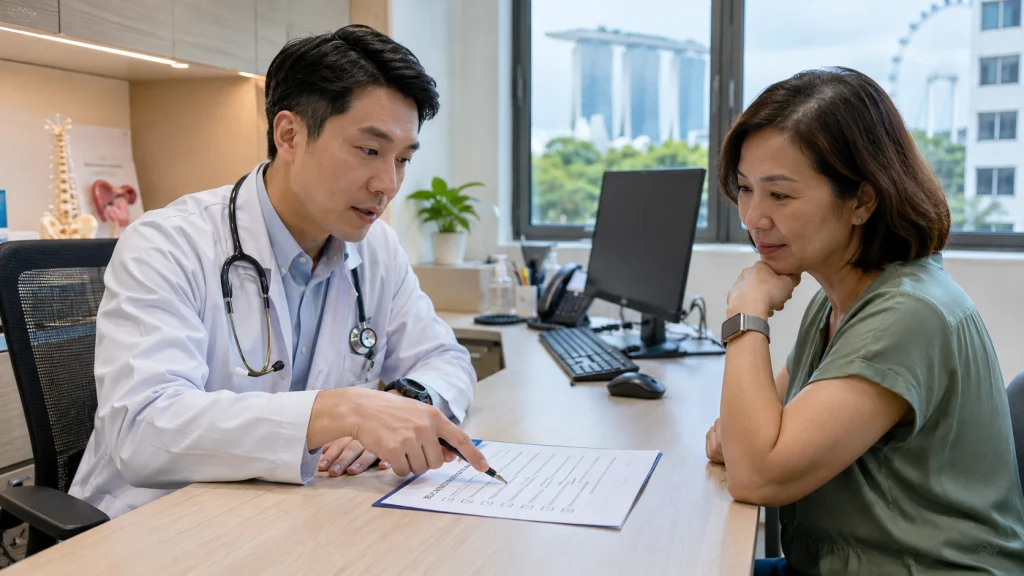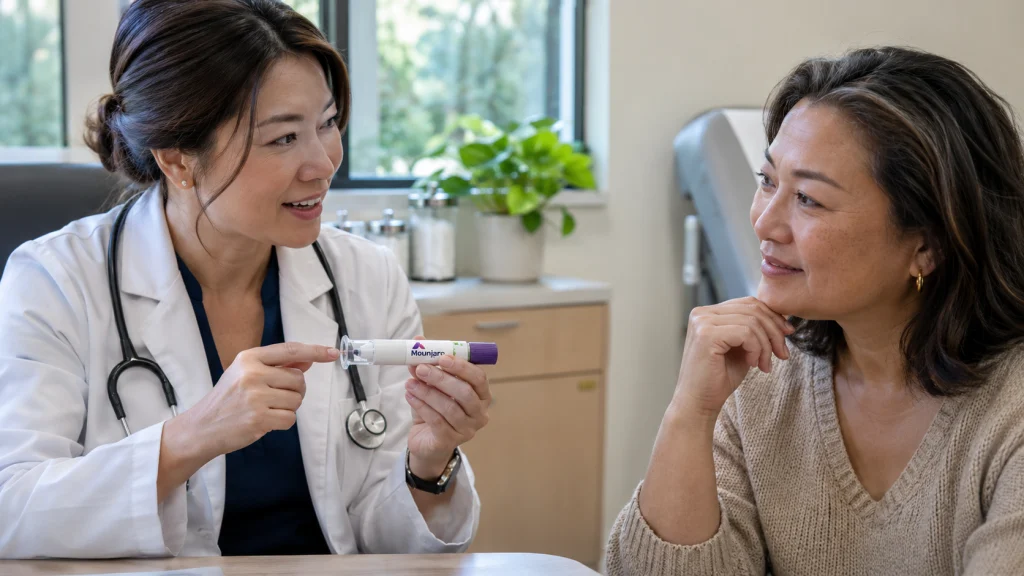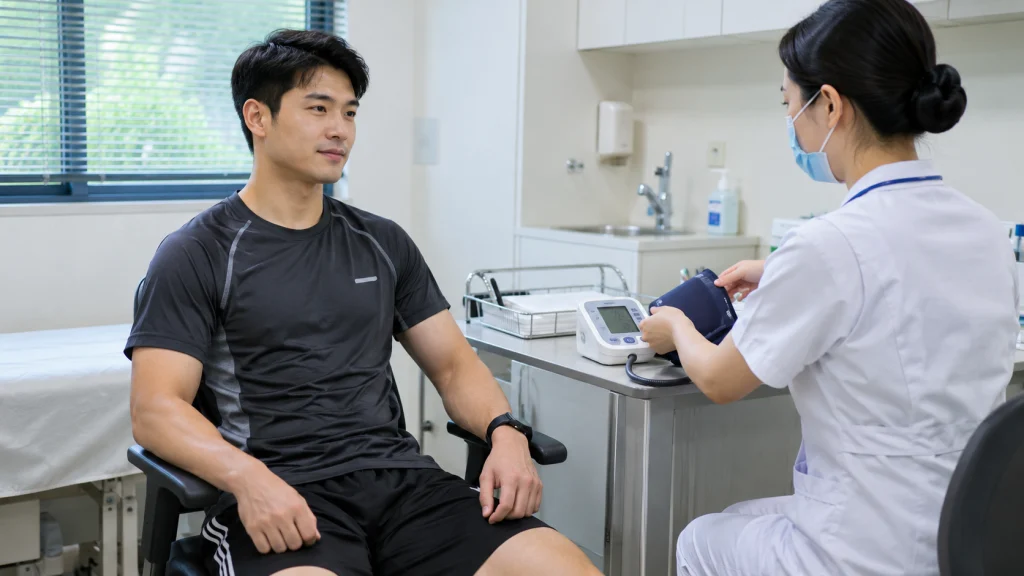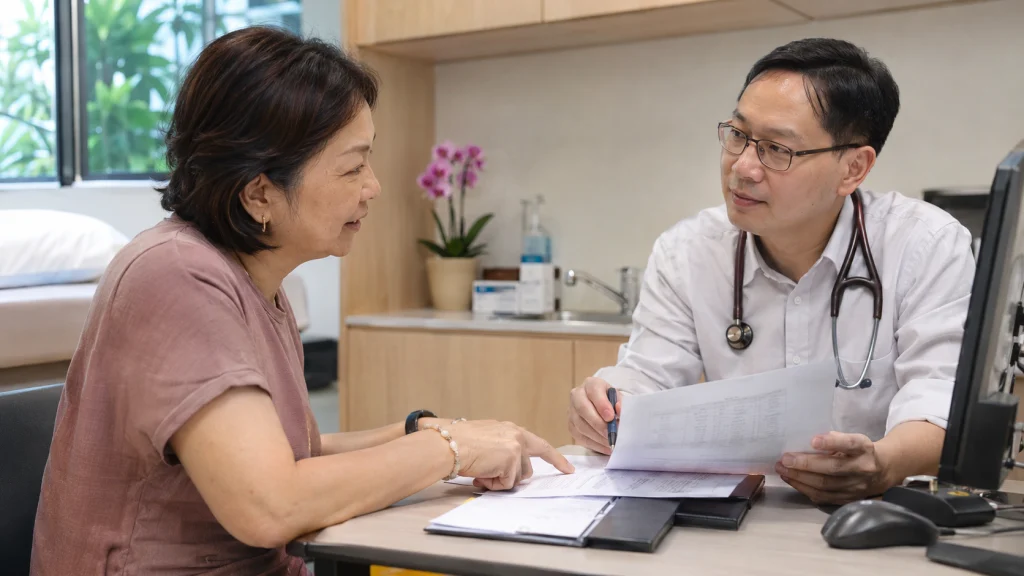
A health check up is a good place to restart after years without screening. You do not need every blood test or scan. Start with your health history and tests that fit your age and risks.
Singapore’s Ministry of Health reports that chronic disease screening reached 71.5% in 2025, up from 62.6% in 2023. Yet colorectal cancer screening participation reached only 46.9%.
Key Takeaways
- Start with a GP to review your health and risks.
- Feeling fine does not rule out disease.
- Your age and history guide your tests.
- More tests do not always mean better care.
- Review your results and follow through on the next steps.
Where Should You Start With a Health Check Up?
Book a visit with a family doctor before choosing a large screening package.
- Gather past reports. Bring old blood tests, scans, and any abnormal results.
- List your medicines. Include supplements and long-term treatments.
- Discuss your risks. Share your family history, smoking, alcohol use, diet, and activity.
- Choose your tests. Your doctor can help avoid tests you recently completed.
If you have symptoms, book a medical review rather than waiting for routine screening. Screening is meant for people without symptoms.
Which Health Screenings Matter Most?
Blood Pressure, Weight, and Waist
These checks can flag high blood pressure and weight-related risks. Both can develop without clear warning signs.
Blood Sugar and Cholesterol
A glucose or HbA1c test helps check for diabetes. A lipid test measures cholesterol and other fats in your blood.
Cancer Screening
Recommended tests include Pap or HPV tests, mammograms, and stool tests for bowel cancer. Your age and health history determine which you need.
What Screenings Are Recommended for Your Age?
The Ministry of Health’s 2026 Screening Test Review Committee report sets out these general screening intervals.
| Age | Screening | How often |
| 18+ | Blood pressure, BMI, waist size | At least yearly |
| 18–39 | Online Diabetes Risk Assessment | Every 2 years if lower risk |
| 25–29, eligible women | Pap test | Every 3 years |
| 30+, eligible women | HPV test | Every 5 years |
| 40+ | Blood sugar and cholesterol | Every 3 years |
| 40–49, women | Mammogram, after discussing with a doctor | Yearly if chosen |
| 50–74, women | Mammogram | Every 2 years |
| 50+ | FIT stool test or colonoscopy | FIT yearly, or colonoscopy every 5–10 years |
Cervical screening applies to women who have ever had sexual intercourse. People with higher risks or abnormal results may need a different schedule.
Do You Need a Full-Body Screening Package?
Not always. Extra scans and blood tests can cause false alarms and lead to tests you do not need.
The US National Cancer Institute warns that routine blood tumour markers do not work well for cancer screening. Some packages include these markers, so discuss their limits before choosing them.
At Love & Joy Family Clinic, a doctor can review your needs before you select a health screening package. The clinic offers a free pre-screening consultation and avoids needless repeat tests.
How Should You Prepare?
- Bring your records and a list of medicines.
- Write down questions about symptoms, habits, or family risks.
- Ask about fasting. Many tests, including HbA1c, do not need it.
- Keep taking essential medicines unless your doctor tells you otherwise.
Certain health conditions can affect HbA1c accuracy. Your doctor can advise which blood sugar test is right for you.
What Happens After Your Results?
Normal results help plan your next screening. Borderline or abnormal results may need repeat tests or more checks.
A positive FIT means blood was found in your stool, not that you have cancer. Most people with a positive FIT will be advised to have a colonoscopy.
Love & Joy offers a free post-screening results review with its doctor. Use that visit to discuss your next steps and whether any vaccines are due.
How Much Does Screening Cost in Singapore?
Under Healthier SG Screening, eligible Singapore Citizens pay S0toS5 for covered tests at CHAS GP clinics. Eligible Healthier SG enrollees pay S$0 at their enrolled clinic.
The fee covers eligible tests in one visit and one follow-up if required. Mammograms have separate rates, and extra tests may cost more.
Frequently Asked Questions
Is It Too Late for a Health Check Up After 10 Years?
No. Start with your health history and the tests you need now. You do not have to repeat every missed test.
Do I Need Screening If I Feel Healthy?
Yes, if you are due for recommended tests. High blood pressure, diabetes, and high cholesterol may have no early symptoms.
How Often Should I Get a Health Check Up?
It depends on the tests and your health risks. Blood pressure checks are advised at least yearly, while routine blood sugar checks begin at 40.
Can I Have a Health Check Up Without Fasting?
Often, yes. HbA1c and many cholesterol tests do not need fasting, but some tests do. Check with the clinic first.
Can I Have Screening Done at Home?
Yes, for selected tests. Love & Joy offers home-based health screening through its LOVE, JOY, and PEACE packages, with an added S$80 visit fee.
You do not need to catch up on years of missed screening in one day. Book your health check up with Love & Joy Family Clinic in Clementi today. Start with a doctor-led plan that suits your needs.
References
- Communicable Diseases Agency. (2026, October 12). Vaccinations. https://www.cda.gov.sg/public/vaccinations/
- Health Promotion Board. (n.d.). Diabetes Risk Assessment. https://help.hpb.gov.sg/ssp/en/diabetes-risk-assessment?id=kb_article_view_ssp&sysparm_article=KB0014333
- Health Promotion Board. (n.d.). Healthier SG Screening: National health screening programme. HealthHub. https://www.healthhub.sg/programmes/healthiersg-screening/
- Health Promotion Board. (n.d.). Learn more about recommended screening tests by age. HealthHub. https://www.healthhub.sg/programmes/healthiersg-screening/screening-journey
- Health Promotion Board. (n.d.). Understanding more about Healthier SG Screening. HealthHub. https://www.healthhub.sg/programmes/healthiersg-screening/screening-faq
- Ministry of Health. (2026, February 3). Screening Test Review Committee report 2026, Volume 1. https://www.moh.gov.sg/others/resources-and-statistics/strc-2026-volume-1/
- Ministry of Health. (2026, October 3). National health surveys show Singaporeans are embracing healthier lifestyles, with a need to improve our diet quality. https://www.moh.gov.sg/newsroom/national-health-surveys-show-singaporeans-are-embracing-healthier-lifestyles–with-a-need-to-improve-our-diet-quality-/
- National Cancer Institute. (2023, December 7). Tumor markers. https://www.cancer.gov/about-cancer/diagnosis-staging/diagnosis/tumor-markers-fact-sheet