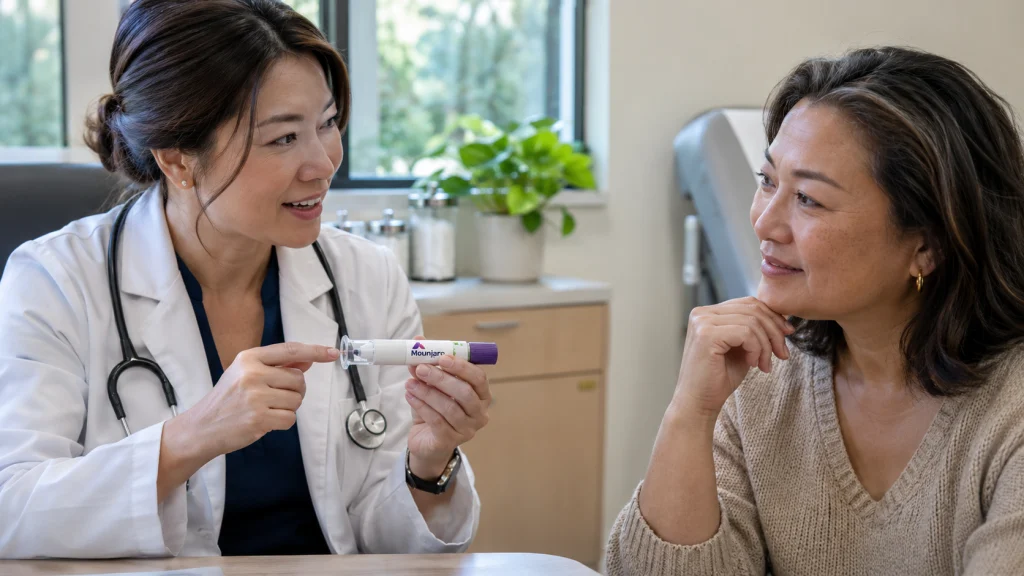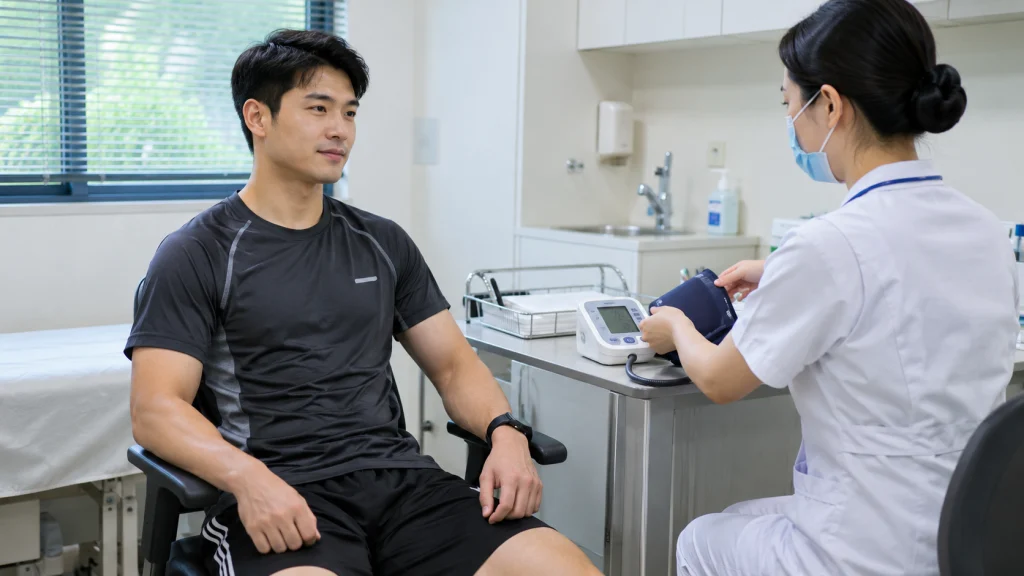
A full body checkup can help spot health risks, but more tests do not always mean better care. Singapore’s 2026 health screening guidelines recommend choosing tests based on age, medical history, and personal risk.
The Ministry of Health (MOH) reported that chronic disease screening participation reached 71.5% in 2025. Still, choosing the right tests matters more than having the longest list.
Key Takeaways
- A full body checkup covers several health tests in one package.
- Targeted screening focuses on tests suited to your age and risks.
- Singapore’s 2026 guidelines identify which tests are worth doing.
- Unnecessary tests can lead to false alarms, extra costs, and stress.
- A doctor’s review helps you choose suitable tests and avoid repeats.
What Is a Full Body Checkup?
A full body checkup combines several health tests into one package. Depending on the clinic, it may include:
- Blood pressure, weight, and waist checks
- Blood sugar and cholesterol tests
- Kidney and liver function tests
- Urine tests
- ECG, X-rays, or ultrasound scans
Packages vary, and not every test suits every patient. A doctor can help decide which checks are useful.
You can also review available health screening packages before choosing which tests to take.
Full Body Checkup vs Targeted Screening: What’s the Difference?
A full body checkup covers a broad range of tests, often through a fixed package.
Targeted screening focuses on certain health risks. Your doctor chooses tests based on factors like age, family history, and smoking.
Neither approach requires unnecessary testing. A screening package can also be adjusted to better suit your needs.
A 2019 Cochrane review found broad health checks had little or no effect on death rates. This finding does not rule out the benefits of proven screening tests.
Which Health Screening Tests Do You Need in 2026?
MOH’s February 2026 Screening Test Review Committee (STRC) report groups tests into three categories:
- Category 1: Recommended for routine screening within set age groups.
- Category 2: Considered for people with certain health risks.
- Category 3: Not recommended due to limited evidence, poor results, or possible harm.
Recommended Routine Screening Tests
| Age Group | Screening Test | Frequency |
| 18+ | Blood pressure | At least yearly |
| 18+ | BMI and waist | Yearly |
| 40+ | Diabetes and cholesterol | Every 3 years |
| Women 25–29* | Pap test | Every 3 years |
| Women 30+* | HPV test | Every 5 years |
| Women 40–49 | Mammogram | Yearly |
| Women 50–74 | Mammogram | Every 2 years |
| 50+ | FIT stool test or colonoscopy | FIT yearly; colonoscopy every 5–10 years |
The cervical screening advice applies to women who have ever had sex. Screening may stop at age 69 when certain prior test results are met.
People with higher risks may need earlier or more frequent testing.
MOH also confirmed in September 2026 that routine colorectal screening should start at age 50 for average-risk adults.
A doctor can help you choose suitable health screening tests based on these guidelines.
Which Tests May Be Unnecessary?
Some tests offer little benefit when used routinely in healthy people without symptoms.
- Tumour-marker tests: Markers like CEA and CA 15-3 are not recommended for routine breast or colorectal cancer screening.
- Chest X-rays: These are not recommended for lung cancer screening. Eligible high-risk smokers may benefit from low-dose CT instead.
- Whole-body CT scans: The US Food and Drug Administration reports no proven net benefit for people without symptoms.
- Repeated blood tests: Recent normal results may not need checking again so soon.
These tests can still serve a medical purpose when prescribed for a clear reason.
The National Cancer Centre Singapore warns that false-positive results may lead to unnecessary follow-up tests and treatment.
What About New Multi-Cancer Blood Tests?
In May 2026, NCCS and NTU Singapore announced research involving multi-cancer early detection tests. A planned trial aims to study 1,000 higher-risk participants.
These tests have not replaced Singapore’s recommended cancer screening methods.
When Should You Choose Targeted Screening?
Targeted tests may suit people with:
- A family history of colorectal cancer or past polyps
- Diabetes risk factors before age 40
- A smoking history that meets lung cancer screening criteria
Screening is for people without symptoms. Blood in the stool, unexplained weight loss, or lasting bowel changes need medical assessment.
How Can You Avoid Unnecessary Tests?
Before booking a full body checkup in Singapore, ask your doctor:
- What does each test check?
- Do I need it at my age?
- Have I had this test recently?
- What happens if results are abnormal?
- Who will review my results?
Bring previous reports and share your family history. Eligible Singapore Citizens can also ask about subsidised Healthier SG Screening.
Health Screening at Love & Joy Family Clinic
At Love & Joy Family Clinic in Clementi, we offer screening packages with a complimentary consultation beforehand.
Our LOVE, JOY, PEACE, and Prime health screening packages cover different needs. Prime options include ECG and imaging, with scans performed at partner centres.
We review your medical history and previous results before recommending tests. LOVE, JOY, and PEACE are also available at home, with an additional S$80 visit fee.
Your results review is complimentary, helping you understand your findings and next steps.
Frequently Asked Questions
Is a full body checkup necessary every year?
Not always. Blood pressure checks are advised yearly, but many routine blood tests have longer screening intervals.
Can a full body checkup detect all diseases?
No test package can detect every disease. Normal results do not rule out all health problems, especially when symptoms appear.
Are tumour-marker tests necessary for routine screening?
Not for most healthy adults. Doctors may still use these tests for certain health conditions or cancer follow-up.
Is targeted screening cheaper than a full body checkup?
It can cost less when fewer tests are needed. However, extra scans or checks for higher-risk patients may increase the price.
Can I get health screening before age 40?
Yes. Adults can start blood pressure checks at 18, while some cancer screening begins earlier than 40.
What happens if my screening result is abnormal?
Your doctor will explain the finding and whether further checks are needed. An abnormal result does not always mean disease.
The right full body checkup should match your health needs, not simply include more tests. At Love & Joy Family Clinic, we help you choose suitable full body health screening options and understand your results. Book your health screening consultation today and take the next step towards better health.
References
- Krogsbøll, L. T., Jørgensen, K. J., & Gøtzsche, P. C. (2019). General health checks in adults for reducing morbidity and mortality from disease. Cochrane Database of Systematic Reviews, 2019(1), CD009009. https://doi.org/10.1002/14651858.CD009009.pub3
- Ministry of Health Singapore. (2025, May 30). Healthier SG Screening. https://www.moh.gov.sg/managing-expenses/schemes-and-subsidies/healthier-sg-screening/
- Ministry of Health Singapore. (2026, February 3). Screening Test Review Committee Report 2026, Volume 1. https://www.moh.gov.sg/others/resources-and-statistics/strc-2026-volume-1/
- Ministry of Health Singapore. (2026, September 17). Local data considered in recommending starting age for colorectal cancer screening. https://www.moh.gov.sg/newsroom/local-data-considered-in-recommending-starting-age-for-colorectal-cancer-screening/
- Ministry of Health Singapore. (2026, October 3). National health surveys show Singaporeans are embracing healthier lifestyles, with a need to improve our diet quality. https://www.moh.gov.sg/newsroom/national-health-surveys-show-singaporeans-are-embracing-healthier-lifestyles–with-a-need-to-improve-our-diet-quality-/
- National Cancer Centre Singapore. (n.d.). Cancer screening. https://www.nccs.com.sg/your-care/about-cancer/cancer-screening
- SingHealth. (2026, May 13). NCCS and NTU Singapore-led Cancer Prevention Research Institute launches studies to evaluate multi-cancer early detection tests and tackle metabolic dysfunction-linked cancers in Singapore. https://www.singhealth.com.sg/news/announcements/nccs-and-ntu-singapore-led-cancer-prevention-research-institute-launches-studies
- U.S. Food and Drug Administration. (n.d.). Full-body CT scans: What you need to know. https://www.fda.gov/radiation-emitting-products/medical-x-ray-imaging/full-body-ct-scans-what-you-need-know