When it comes to health, few things can cause as much anxiety as the thought of needing an STD test. Understanding that feeling is crucial. Anxiety surrounding STD tests can be a common response, especially given the stigma associated with sexually transmitted infections. In this article, we’ll explore what STD test anxiety is, what causes it, and what you can expect during the testing process. Knowledge is power, and sometimes just knowing what to anticipate can ease your nerves.
Understanding STD Test Anxiety
What Causes STD Test Anxiety?
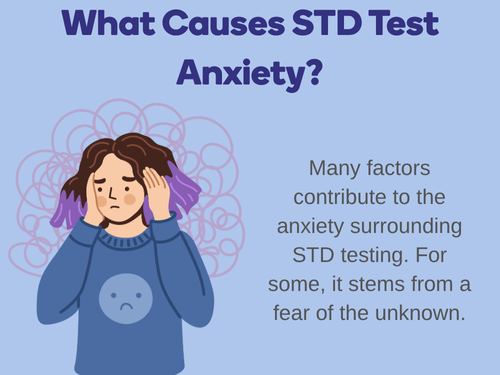
Many factors contribute to the anxiety surrounding STD testing. For some, it stems from a fear of the unknown. Thoughts like “What if I have an STD?” or “How will the results affect my life?” can loom large. Additionally, cultural stigma plays a significant role. Society often views STDs as taboo, leaving many feeling isolated or judged.1 This can amplify fears rather than diminish them.
A previous negative experience can also cause heightened anxiety. If someone has faced judgment or embarrassment in the past regarding sexual health, those feelings can resurface when considering another test. Self-doubt can create a stigma that weighs heavily during the decision to seek testing.
Finally, the concern for one’s partner can be a significant source of stress. Many fear that a positive test result could negatively affect their partner’s health or lead to difficult conversations. All these elements combine to make a seemingly straightforward health assessment fraught with emotional turmoil.
Common Symptoms of Test Anxiety
Recognizing the symptoms of STD test anxiety can help individuals understand what they’re feeling. Common signs include:
- Increased heart rate: The body’s physiological response to stress can manifest as a racing heart.2
- Sweating: Anxiety can cause abnormal perspiration, making you feel uncomfortable.
- Negative thoughts: A racing mind with thoughts of “What if?” can be overwhelming.
- Physical symptoms: This could include headaches, stomachaches, or feeling faint.
Being aware of these symptoms allows you to address them appropriately. You are not alone in this experience, and acknowledging your feelings is the first step toward managing anxiety.
What to Expect During an STD Test
Preparing for Your Appointment
Preparation can ease anxiety and help you feel more in control. You may want to jot down any questions beforehand so you don’t forget them during your appointment. Additionally, consider telling a trusted friend or partner about your appointment supports and may even help with anxiety.
Arriving at the clinic with an understanding of what will happen can transform your experience. Research the location, know the expected duration of your appointment, and understand what type of tests you may be undergoing. This reduces uncertainty and can lead to a more relaxed experience.
Types of STD Tests Available
There are various STD tests available, each designed to check for specific infections. Here are a few common tests:
- Blood tests: These can detect infections like HIV and syphilis.3
- Urine tests: Often used for chlamydia and gonorrhea.
- Swabs: These are typically used for herpes or trichomoniasis.
Each test has its protocol, but generally, the process is simple. Medical professionals will perform the necessary checks quickly and discreetly, ensuring your privacy throughout the visit.
If you want to dive deeper into STD tests, check out the STD Screening page for more details.
Managing Your Anxiety Before and After Testing
Tips to Calm Your Nerves
There are effective ways you can manage your anxiety about getting tested. Consider these techniques:
- Practice deep breathing: Taking slow, deep breaths can calm your body and mind.
- Engage in mindfulness: Techniques like meditation can ground you and bring a sense of peace.
- Distract yourself: Bring a book or listen to music before your appointment to take your mind off your anxiety.
The goal is to find what brings you comfort and grounding as this may vary from person to person.
Support Resources for Anxiety
Do not hesitate to seek help if anxiety becomes overwhelming. Local support groups or health clinics often provide guidance and support systems. Websites dedicated to sexual health often offer useful articles and forums where individuals share experiences, offering a sense of community. Whether it’s talking to a therapist or joining a support group, know that help is available.
The Importance of Regular STD Testing
Why You Should Get Tested
Regular STD testing is crucial for several reasons. Firstly, it ensures peace of mind. Knowing your status means you can manage your health proactively, which can significantly alleviate anxiety. Additionally, early detection often leads to more effective treatments, reducing the risk of complications.4 Regular testing can also prevent the spread of infections to partners.
Connecting with Health Services
Establishing a routine with health services helps normalize the process. It might feel intimidating at first, but regular visits to a healthcare provider can create a more comfortable environment over time. Consider getting connected with services that offer comprehensive sexual health screenings, such as those detailed on our Clementi GP Clinic page.
Conclusion
While STD test anxiety is common, understanding its origins and knowing what to expect can significantly empower individuals. Fear often comes from the unknown, so educating oneself about the process can reduce anxiety significantly. Remember that you are not alone, and support is available. Take the first step towards proactive health management by scheduling your test today. Don’t let anxiety prevent you from ensuring your sexual health—connect with a healthcare provider who can guide you through the process.