In our busy lives, it’s easy to forget about regular health check ups. Yet, making them a routine part of our lives is crucial for maintaining our wellbeing. Not only do these check-ups help in identifying potential health issues early, but they also play a significant role in leading a healthier life.1
Understanding the Importance of Regular Health Check Ups

Regular health check ups are more than just a trip to the doctor. They are a proactive approach to healthcare. Many people think if they’re feeling fine, there’s no need for a check-up. However, some health issues are silent and can go unnoticed until they become severe.
Why Health Check Ups Matter
These appointments allow doctors to assess your overall health, review medical history, and listen to your concerns. During these visits, common tests are performed, such as blood pressure measurements, cholesterol checks, and screenings for various conditions.2 Identifying risks early can mean the difference between a minor issue that is easily treated and a significant health crisis. Regular visits establish a relationship with your healthcare provider, which can lead to better personalized care.
Key Benefits of Preventative Care
Preventative care should be a primary focus of health check-ups. By catching potential problems early, you not only save yourself the stress of dealing with more complicated health issues later on, but you may also reduce medical costs. Preventative care fosters a mindset of wellness rather than merely reacting to illness. Regular screenings and vaccinations decrease the risk of chronic diseases, ensuring a longer, healthier life.3
Essential Health Check Up Tests You Shouldn’t Skip
When you visit a healthcare provider, a few essential tests are invaluable.
Common Screenings for Adults
Adults should prioritize certain screenings based on age and risk factors. Common tests include:
- Blood Pressure Screening: Vital for assessing the risk of heart disease.
- Cholesterol Checks: Important for monitoring heart health.
- Diabetes Screening: This helps in identifying prediabetes and diabetes early on.
- Cancer Screenings: Such as mammograms for women and prostate exams for men.
Neglecting these tests can lead to severe complications.
Importance of STD Testing
One often-overlooked aspect is STD testing. Sexually transmitted diseases can have long-term effects if not detected early.4 Regular STD screenings are crucial for sexually active individuals, no matter the frequency of activity. Early detection can lead to effective treatments, preventing complications and the spread of infections.
Creating a Schedule for Your Health Check Ups
Establishing a check-up schedule ensures you stay on top of your health.
How Often Should You Get Checked?
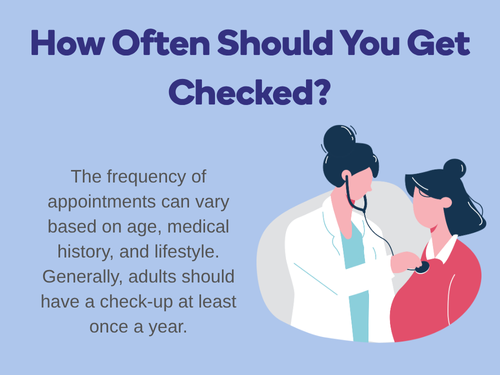
The frequency of appointments can vary based on age, medical history, and lifestyle. Generally, adults should have a check-up at least once a year. However, individuals with chronic conditions or specific health concerns may need to visit more frequently.
Finding the Right Clinic for You
Choosing the right clinic is essential. Research local clinics to find one that fits your needs. Look for facilities like Love & Joy Family Clinic, which offers a range of services, including STD testing and cancer screenings. Make sure the clinic meets your needs for comfort, accessibility, and quality of care.
Tracking Your Health Progress Over Time
Maintaining a record of your health is fundamental to tracking any changes.
Using Technology to Monitor Health
In this digital age, technology can play a big role in health management. Mobile apps allow users to track weight, exercise, and even blood pressure. Many healthcare providers also offer portals where you can view your medical records and test results. This seamless tracking helps in evaluating progress over time and discussing any concerns during your next visit.
Keeping Records of Your Check Ups
Keeping a record of your check-ups and test results can also help in monitoring your health. Create a simple chart or use an app to note your visits, tests performed, and any results. This history gives you a comprehensive view of your health over time and supports informed conversations with your doctor.
Prioritizing Preventative Care for a Healthier Future

Making health check-ups a habit can significantly impact your quality of life.
Making Health Check Ups a Habit
Set reminders for your health check-ups, and treat them like any important appointment. Scheduling these visits in advance can lower the chances of forgetting. Establishing this habit fosters a proactive attitude toward health.
Exploring Resources for Ongoing Health Management
Lastly, don’t hesitate to explore various resources. Many clinics, like Love & Joy Family Clinic, offer patient education materials, workshops, and online resources tailored to help with ongoing health management. Utilize these tools to gain a better understanding of your health and make informed decisions.
By integrating these habits into your routine, you pave the way for a healthier, happier life. Embrace the journey towards wellness through regular health check-ups!