Taking care of your health should never be an afterthought. A full body checkup provides essential insights into your well-being, often revealing hidden conditions that might go unnoticed without regular monitoring.1 In this article, we’ll navigate through the importance of these checkups, their benefits, and what to expect during your visit.
Why Full Body Checkups Are Essential for Your Health
Many people overlook the significance of routine health screenings, yet they play a crucial role in maintaining long-term health. Full body checkups can act as a proactive approach to healthcare. Instead of waiting for symptoms to surface, a regular checkup allows doctors to identify and address potential health issues early.2
It’s easy to get caught up in daily life and neglect personal health. This is where regular screenings come into play. They not only promote awareness of your health status but also motivate you to lead a healthier lifestyle. Being informed about your body can inspire better choices—be it through diet, exercise, or other health-related habits.3
Moreover, routine checkups can save you money in the long run. Early detection of conditions often leads to more straightforward treatments, minimizing expensive medical procedures later on.
Understanding Full Body Checkups

So, what constitutes a full body checkup? Typically, it involves a series of tests and screenings designed to assess your overall health.4 This may include blood tests, urine tests, and physical examinations, among others.
These tests can provide valuable data regarding your heart health, liver function, kidney status, and more. Additionally, doctors may check vital signs, evaluate your family history, and discuss lifestyle factors.
Getting a full body checkup isn’t limited to a set of tests; it’s a comprehensive health evaluation that gives your healthcare provider a clear picture of your health. Such assessments can help guide further investigations or treatments based on your unique needs.
Identifying Hidden Health Issues
One of the most significant aspects of a full body checkup is identifying hidden health issues. Many people might not realize they have a condition until symptoms appear. Regular screenings can catch these issues early, often before they escalate into severe problems. For example, high cholesterol or high blood pressure can go undetected for years and lead to serious health consequences if left unaddressed.
Moreover, subtle signs of diseases may be overlooked during regular activity. With a full body checkup, your healthcare provider can shine a light on these hidden conditions, potentially saving your life.
Top Benefits of Regular Health Screenings
Early Detection of Diseases
One of the primary benefits of regular health screenings is the potential for early disease detection. Finding diseases in their early stages can significantly alter treatment options and outcomes. For instance, early-stage cancer often has a better prognosis compared to later stages.
Improved Health Management
Regular checkups also facilitate better health management. When you visit your doctor routinely, you create an ongoing relationship that fosters personalized care. Doctors can modify their recommendations based on your unique health dynamics, helping you manage any issues effectively.
Peace of Mind
Knowing your health status brings peace of mind. Full body checkups allow you to feel secure that you are taking steps to monitor your well-being. Understanding your body’s state can eliminate anxiety about the unknown, allowing you to focus on living your life to the fullest.
Preparing for Your Full Body Checkup
What to Expect During the Appointment
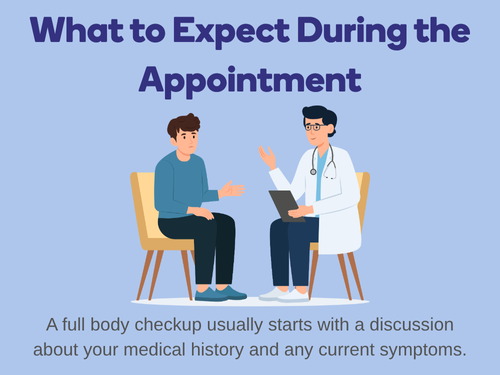
A full body checkup usually starts with a discussion about your medical history and any current symptoms. Your doctor will then likely perform a physical examination, along with various tests. You may have blood drawn or undergo imaging tests—these are all essential components in evaluating your health thoroughly.
Essential Questions to Ask Your Doctor
Preparing questions to ask during your checkup can enhance your experience. Consider asking about the risk factors for your family history, lifestyle changes you might need, and the significance of any tests performed. Being proactive in your health discussions can create a more comprehensive care plan moving forward.
Decoding Your Checkup Results
Interpreting Lab Results
Once your tests are complete, your doctor will discuss the results with you. Understanding lab results can sometimes be daunting. Ask for clarifications on any aspects you’re unsure about.
Understanding Follow-Up Recommendations
After discussing your results, your doctor may recommend follow-ups. These can involve additional tests or lifestyle changes. It’s crucial to understand these recommendations thoroughly so you can take proactive steps toward improved health.
In conclusion, full body checkups are not just a routine task—they’re a vital part of maintaining your health. They can uncover hidden conditions, facilitate early detection of diseases, and ultimately lead to better health management. By taking the time to invest in your health through regular screenings, you empower yourself with the knowledge and tools necessary to lead a healthier life. Don’t underestimate the power of a thorough checkup; it might just be the key to discovering and managing underlying conditions effectively.