Regular health check-ups are crucial for early detection and prevention of diseases. They provide a comprehensive overview of your overall health, allowing for timely interventions and better management of potential health issues. A well-rounded check-up can offer valuable insights into various aspects of your health, helping you maintain optimal well-being.
Blood Pressure Check
Purpose
Monitoring blood pressure is essential for assessing the risk of heart disease, stroke, and kidney issues. High blood pressure often shows no symptoms but can lead to severe health complications if left unchecked. Regular monitoring helps in early detection and management.
Who Needs It
Blood pressure checks are suitable for all adults, especially those with a family history of hypertension or lifestyle risk factors such as obesity and smoking. Early detection can prevent complications and improve overall cardiovascular health. Regular screenings are vital for maintaining heart health.
Frequency
For adults with normal blood pressure, it is recommended to have it checked at least once every two years. Those with elevated readings or risk factors should undergo more frequent testing, potentially annually or as advised by a healthcare provider. Consistent monitoring is key to managing blood pressure effectively.
Complete Blood Count (CBC)

Purpose
A Complete Blood Count (CBC) provides detailed information on red and white blood cells, hemoglobin, and platelets. It helps detect issues like anemia, infections, and immune system conditions. A CBC is a fundamental test for assessing overall health.
Who Needs It
A CBC is recommended for all adults as part of a standard health check-up. It is particularly useful for diagnosing conditions that may not present obvious symptoms. Regular CBC tests can help identify health issues early.
Frequency
It is generally suggested to include a CBC in annual health check-ups. If abnormalities are found, additional tests may be required to monitor and manage the condition. Regular testing ensures that any changes in blood health are promptly addressed.
Blood Glucose Test
Purpose
Blood glucose tests are crucial for screening for prediabetes and diabetes by measuring blood sugar levels. Early detection of elevated glucose levels can lead to preventive measures and better management of diabetes. Monitoring blood sugar is essential for maintaining metabolic health.
Who Needs It
Blood glucose testing is especially important for individuals with risk factors such as a family history of diabetes, high BMI, or a sedentary lifestyle. Early identification of glucose abnormalities can prevent the progression to diabetes. Regular screenings are vital for at-risk individuals.
Frequency
Routine blood glucose testing is recommended every three years for adults aged 45 and older. Those with risk factors or previous elevated readings may need more frequent testing. Consistent monitoring helps manage and prevent diabetes effectively.
Lipid Profile
Purpose
A lipid profile assesses cholesterol levels to evaluate the risk of cardiovascular disease. It measures total cholesterol, LDL (bad cholesterol), HDL (good cholesterol), and triglycerides. Understanding lipid levels is crucial for heart health.
Who Needs It
Lipid profile testing is important for all adults, particularly those over 40 or with risk factors for heart disease. High cholesterol levels can lead to atherosclerosis and heart complications if not managed. Regular testing helps in maintaining optimal cardiovascular health.
Frequency
Adults with normal cholesterol levels should have a lipid profile every four to six years. Those with elevated cholesterol or other risk factors may require more frequent testing. Regular monitoring ensures that cholesterol levels remain within healthy ranges.
Kidney Function Tests
Purpose
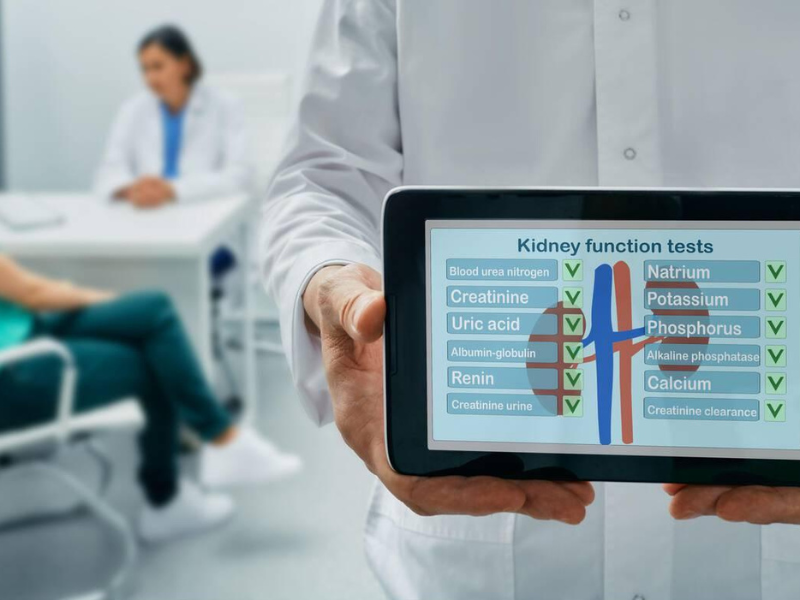
Kidney function tests evaluate creatinine and blood urea nitrogen (BUN) levels to check kidney health. These tests help detect kidney diseases and monitor kidney function. Early detection of kidney issues can prevent further complications.
Who Needs It
Kidney function tests are recommended for adults, especially those with diabetes, hypertension, or a family history of kidney disease. Regular testing helps in early identification and management of kidney problems. Maintaining kidney health is essential for overall well-being.
Frequency
For individuals at risk, annual kidney function tests are advisable. Those with existing kidney conditions may need more frequent testing. Regular monitoring helps manage kidney health effectively.
Liver Function Tests (LFT)
Purpose
Liver function tests monitor liver enzymes to detect liver diseases or damage from alcohol, medications, or other factors. These tests help assess liver health and function. Identifying liver issues early can lead to better management and treatment.
Who Needs It
Liver function tests are recommended for individuals with risk factors such as heavy alcohol use, obesity, or certain medications. Regular testing helps detect liver conditions early. Maintaining liver health is crucial for overall metabolic function.
Frequency
For those at risk, liver function tests should be conducted annually. Individuals with liver conditions or high-risk factors may require more frequent testing. Regular monitoring ensures timely detection and management of liver health issues.
Thyroid Function Test
Purpose
Thyroid function tests check thyroid-stimulating hormone (TSH) levels to diagnose conditions like hypothyroidism or hyperthyroidism. These tests assess thyroid health and function. Early detection of thyroid imbalances can lead to effective treatment.
Who Needs It
Thyroid function tests are recommended for adults with symptoms like fatigue, weight changes, or a family history of thyroid issues. Regular testing helps identify thyroid conditions early. Maintaining thyroid health is essential for metabolic and overall health.
Frequency
Adults should have their thyroid levels checked every five years, or more frequently if they have symptoms or risk factors. Regular monitoring helps manage thyroid conditions effectively. Early detection ensures better health outcomes.
Urinalysis

Purpose
Urinalysis detects infections, kidney disease, and other metabolic issues through urine analysis. This test provides valuable insights into urinary and kidney health. Regular urinalysis can identify health issues early.
Who Needs It
Urinalysis is generally part of a routine check-up for adults and is especially important for those with kidney or urinary health concerns. Regular testing helps maintain urinary health. Early detection of abnormalities can prevent complications.
Frequency
It is recommended to include urinalysis in annual health check-ups. Additional screenings may be necessary if abnormalities are detected. Regular monitoring ensures that any changes in urinary health are promptly addressed.
FAQs on Health Check-Up Essentials
What tests are typically included in a standard health check-up?
A standard health check-up typically includes blood pressure checks, CBC, blood glucose tests, lipid profiles, kidney and liver function tests, thyroid function tests, and urinalysis. These tests provide a comprehensive overview of overall health.
How often should I schedule a full health check-up?
It is generally recommended to schedule a full health check-up annually. However, the frequency may vary based on age, health status, and risk factors. Consulting with a healthcare provider can help determine the appropriate schedule.
Are these tests necessary if I feel healthy?
Yes, regular health check-ups are important even if you feel healthy. Many conditions do not show symptoms in their early stages. Routine screenings can detect potential health issues before they become serious.
What if my test results are abnormal?
If your test results are abnormal, your healthcare provider will recommend follow-up tests or treatments. It is important to address any abnormalities promptly to prevent further health complications. Regular monitoring and follow-up are essential for managing health effectively.
Is insurance likely to cover all of these tests?
Many health insurance plans cover routine health check-ups and essential tests. However, coverage can vary, so it is important to check with your insurance provider to understand what is included in your plan. Knowing your coverage can help you access necessary health services without financial strain.
Conclusion: Your Health Blueprint – The Power of Comprehensive Testing
Regular health check-ups with essential tests provide critical insights into overall health. Early detection and prevention through comprehensive testing can lead to better health outcomes and improved quality of life. Embracing routine health screenings is a proactive step towards maintaining long-term wellness and peace of mind.