Cancer screening plays a crucial role in healthcare by identifying potential health issues before they develop into serious conditions. Early detection often leads to more effective treatment options. Understanding the importance of cancer screening is essential for anyone looking to maintain their health. In this article, we will explore what cancer screening is, why early detection matters, the benefits of regular screenings, and how to get started.
Understanding Cancer Screening
What is Cancer Screening?
Cancer screening refers to tests and exams that can detect cancer in individuals who do not have any symptoms.1 These screenings can identify abnormalities that may indicate cancer, allowing for early intervention and treatment. Various types of screenings target specific cancers, providing health professionals with vital information to devise effective treatment plans.
For instance, screenings like mammograms can detect breast cancer, while colonoscopies are essential for identifying colorectal cancer. These tests typically involve a combination of imaging technologies, blood tests, and physical examinations to pinpoint any potential risks. It’s essential to stay on top of your screenings, as early detection can significantly improve outcomes.
Why is Early Detection Important?
Early detection of cancer is linked to higher survival rates. According to research, cancers diagnosed at an earlier stage are often simpler to treat and can lead to better outcomes for patients. By intervening early, healthcare providers can offer a variety of treatment options, often resulting in less invasive procedures and better quality of life.
As we age, our risk for developing cancer increases. Therefore, regular screenings become increasingly important. Early detection allows us not only to confront cancer head-on but to do so with a fighting chance. It’s more than just a preventive measure; it’s a proactive way to secure your health.
Benefits of Regular Cancer Screening
How Screening Saves Lives
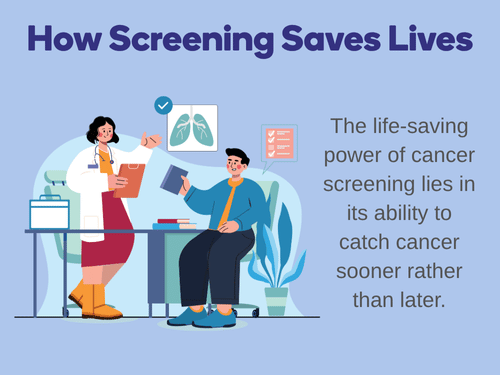
The life-saving power of cancer screening lies in its ability to catch cancer sooner rather than later. Many cancers, such as breast, cervical, and colorectal cancers, can develop without any visible symptoms. Regular screenings empower individuals to uncover these hidden threats, allowing for timely and effective treatment.
For example, mammograms can detect breast cancer up to two years before a lump can be felt.2 Similarly, a colonoscopy can spot precancerous polyps, providing the opportunity to remove them before they develop into cancer. Regular screening is not just a medical recommendation; it is a vital component of your health and wellness.
Economic Benefits of Early Detection
The financial implications of early cancer detection extend beyond immediate health benefits. Treating cancer in its advanced stages often comes with higher costs due to more complex treatments, hospital stays, and rehabilitation.
By investing in regular screenings, you position yourself to avoid these costly treatments. Early detection leads to earlier interventions, which often require less extensive treatments and reduce the financial burden on patients and healthcare systems alike. It’s a sound financial decision that reflects a commitment not just to your health but to your financial well-being.
Types of Cancer Screenings Available
Mammograms and Breast Cancer
Mammograms are X-ray exams used to detect breast cancer. These screenings are generally recommended for women starting at age 40, but earlier screenings may be advised for those with a family history of breast cancer. Regular mammograms can help identify cancerous cells before they progress, making them a crucial tool for women’s health.
Colonoscopy for Colorectal Cancer
Colonoscopy is a procedure that examines the colon for any abnormalities, such as polyps or tumors. It is recommended for individuals over the age of 45, and more often if there is a family history of colorectal cancer.3 This screening can be a life-saving test, as it may prevent cancer before it has a chance to develop.
Pap Smears for Cervical Cancer
Pap smears are tests designed to detect changes in cervical cells that could lead to cervical cancer. Women should begin having Pap smears at age 21 or within three years of becoming sexually active.4 This screening is vital because it helps recognize potential issues at an early stage when they are much easier to manage.
How to Get Started with Cancer Screening
Finding a Local Clinic

Finding a trusted local clinic for your cancer screening is the first step. Your family doctor can provide recommendations. You might also consider clinics specializing in cancer screenings, like those linked here, to ensure you receive comprehensive care tailored to your needs.
Preparing for Your Screening
Preparation will depend on the type of screening you will undergo. For example, some tests require fasting or specific dietary restrictions. Always ask your clinic about the preparation needed ahead of your appointment to ensure accurate results.
Taking Action: Your Next Steps
Schedule Your Screening Today
Now that you understand the importance of cancer screening, the next step is to schedule your appointment. Don’t wait until symptoms arise; be proactive and take charge of your health. The stakes are too high to postpone this critical aspect of your well-being.
Importance of Staying Informed
Continuously educate yourself about cancer screening and advancements in technology. Staying informed allows you to make better decisions regarding your health and wellness. Take charge not just for yourself but for your loved ones, encouraging them to prioritize their screening schedules as well.
In conclusion, cancer screening is a life-saving measure that everyone should prioritize. By understanding the risks, benefits, and available types of screenings, you can significantly impact your health. Don’t delay—schedule your screening today and take the first step towards a healthier future!