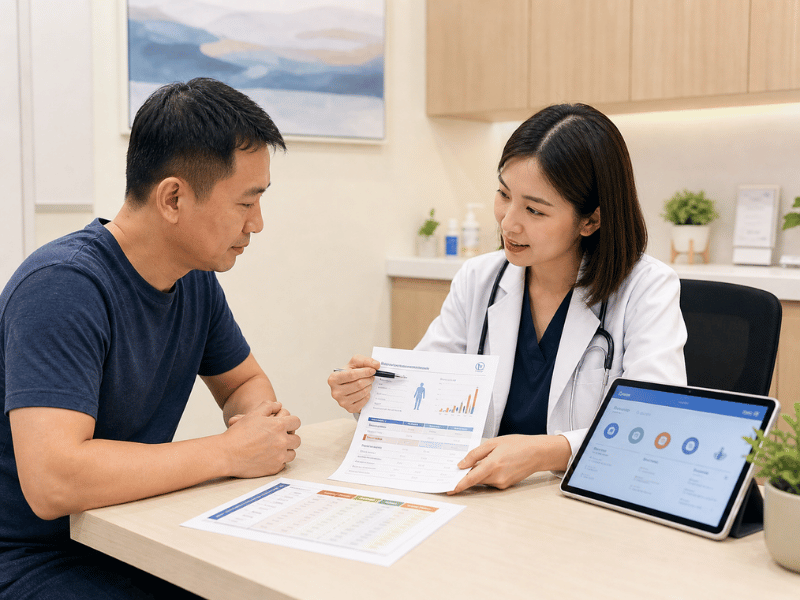
In today’s fast-paced world, taking the time for health screenings can be an overlooked aspect of self-care. However, these screenings are essential for keeping tabs on our health and catching potential issues early. Regular check-ups and timely interventions can make all the difference when it comes to managing health effectively. This article dives into the different facets of health screenings, their importance, and how they pave the way for early intervention.
Understanding Health Screening and Its Importance
What Is Health Screening?
Health screening refers to a series of tests and evaluations performed to detect diseases or conditions in their early stages.1 It’s not just about diagnosing existing health issues; it also serves as a preventive measure to keep individuals healthy. By identifying risk factors and potential problems before they become severe, screenings empower people with knowledge about their health status.
Common health screenings include blood pressure checks, cholesterol tests, diabetes screenings, and more specialized tests like cancer screenings or STD checks. These assessments vary based on age, gender, and personal health history, making it crucial to tailor screenings to fit individual needs.2
Why Regular Screenings Matter
Regular health screenings matter for many reasons. First and foremost, they help in detecting diseases early. Many health conditions, notably chronic diseases like diabetes and hypertension, often present no symptoms until they progress significantly.3 Routine screenings can pick up on these silent issues, allowing for timely intervention.
Moreover, health screenings play a critical role in reducing healthcare costs in the long run. Early detection can lead to cheaper and less invasive treatments.4 When health issues are caught early on, the treatment options are often more straightforward and less expensive.
Lastly, these screenings foster a proactive approach to health. When individuals engage in regular check-ups, they become more aware of their health boundaries and can modify their lifestyles accordingly.
Types of Health Screenings You Should Consider
Preventive Screenings for Every Age
Preventive health screenings should be part of everyone’s healthcare routine, regardless of age. For children, routine vaccinations are essential not just for individual health but for community health as well. As adults, screenings like cholesterol tests, mammograms for women, and prostate exams for men become increasingly necessary.
Here’s a breakdown of preventive screenings based on age groups:
Children (0-18)
- Routine vaccinations
- Growth and development screenings
Young Adults (19-35)
- STD screenings
- Depression screenings
Middle Age (36-55)
- Blood pressure checks
- Diabetes screenings
Seniors (56+)
- Annual health assessments
- Cancer screenings (breast, prostate, colon)
Targeted Screenings for Specific Risks
Certain individuals may be at a heightened risk for specific health conditions due to family history, lifestyle choices, or chronic health issues. For them, targeted screenings are a must. For instance, those with a family history of cancer might need earlier and more frequent screening tests like mammograms or colonoscopies. Similarly, individuals with risk factors for heart disease should get their cholesterol and blood pressure checked regularly.
Specialized Screenings: Cancer and STDs
Two special categories of health screenings include cancer screenings and STD screenings. Regular checks for various types of cancer can include mammograms, Pap tests, colonoscopies, and skin exams. These screenings are essential, particularly for those in higher-risk groups. On the other hand, STD screenings help in early diagnosis and treatment, significantly impacting one’s health and preventing the spread of infections.
How Health Screenings Facilitate Early Intervention
Identifying Health Issues Before They Escalate
The essence of early intervention lies in recognizing health issues before they escalate into more serious conditions. Health screenings provide insights into potential problems before symptoms arise, allowing individuals to make informed decisions about their health.
For example, if a routine blood test indicates high cholesterol, lifestyle changes or medications can be started immediately. This proactivity can form a safety net against more severe health complications down the road.
The Role of Health Screenings in Long-Term Health
In the long run, regular health screenings can significantly impact overall well-being. Continuous monitoring of health can help track progress or identify changes that might need attention. It encourages individuals to participate actively in their health journey.
When patients feel involved and informed, they are more likely to follow through with recommendations, attend follow-up appointments, and maintain healthier lifestyles. This cycle of regular screenings and proactive health management fosters long-term wellness.
Getting Started with Health Screenings
Finding the Right Clinic for Your Needs
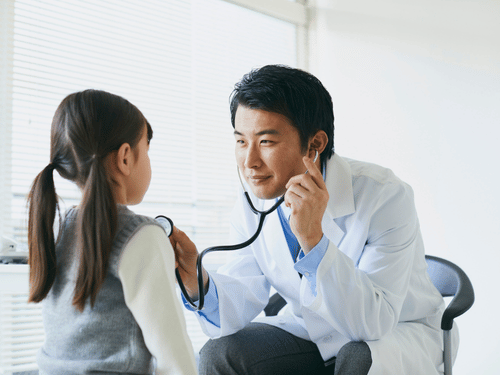
Choosing the right clinic for health screenings is fundamental. Look for a facility that offers a range of services, from basic health checks to specialized testing. Ensure that the clinic’s philosophy aligns with your health goals and that they have qualified practitioners.
For those in Clementi, consider visiting Love & Joy Family Clinic for a comprehensive range of health screenings tailored to your individual needs.
How to Prepare for Your Health Screening
Preparation is key to getting the most out of your health screening. Before your appointment, know what tests you might need and consider any specific health concerns. Keep a list of medications you take and discuss your medical history candidly with your healthcare provider. This context can help them tailor your screenings effectively.
Here are a few tips for preparation:
- Fast if required: Some tests need fasting for accurate results.
- Bring necessary documents: Have your health records on hand.
- Wear comfortable clothing: This makes physical examinations easier.
In conclusion, health screenings are vital in our journey towards better health. They not only help in catching problems early but also empower us to take control of our health. Don’t wait for symptoms to take action; book your health screening today at Love & Joy Family Clinic. Taking this proactive step might be the best choice you make for your health and well-being.
- https://www.who.int/europe/news-room/fact-sheets/item/cancer-screening-and-early-detection-of-cancer ↩︎
- https://www.healthhub.sg/well-being-and-lifestyle/personal-care/type-2-screening-tests ↩︎
- https://www.healthhub.sg/well-being-and-lifestyle/personal-care/are-you-keeping-up-with-health-screening ↩︎
- https://www.who.int/news/item/03-02-2017-early-cancer-diagnosis-saves-lives-cuts-treatment-costs ↩︎