Cancer remains one of the leading causes of death worldwide.1 While the figures can be alarming, the silver lining is that early detection can lead to better outcomes. Cancer screening is a proactive step toward identifying potential cancerous changes before symptoms manifest. It plays a critical role in safeguarding our health and enhancing our quality of life.
Understanding the Importance of Cancer Screening
The importance of cancer screening cannot be overstated. Regular screenings serve as a safety net, catching diseases in their infancy. While many might think that only those with a family history of cancer should be concerned, the truth is, screening is vital for everyone.
By participating in screening programs, individuals take an active role in their health management. These procedures often reveal changes in the body that could signal early stages of cancer, enabling timely intervention. This not only improves survival rates but also minimizes the intensity of necessary treatments.
Why Regular Screening Matters
In many cases, cancer develops silently. Symptoms may not surface until the disease has progressed significantly. Regular screening helps bridge that gap. For example, conditions like colorectal cancer can develop without noticeable symptoms for years. A routine colonoscopy can detect precancerous polyps, which can then be removed before they turn malignant.2
Moreover, psychological benefits accompany these proactive measures. Knowing that you’re on top of your health can be empowering, reducing anxiety about the unknown.
The Role of Early Detection in Treatment
When detected early, cancers are generally easier to treat. Stage 1 cancers, for instance, often have better prognoses than those detected at stages 3 or 4. Early detection allows for more options, including less aggressive treatments that typically lead to fewer side effects.
Moreover, statistics show that many patients who undergo early treatment return to their everyday lives sooner, enhancing both physical and emotional well-being. This is why regular screenings should be high on everyone’s health priority list.
Types of Cancer Screenings Available
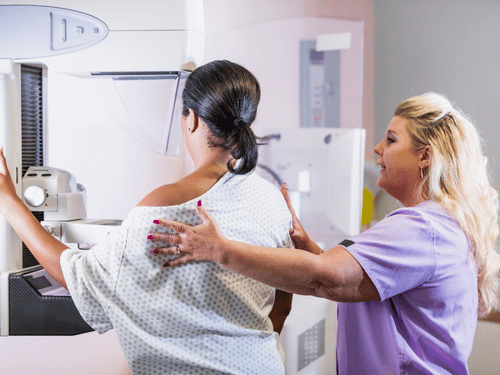
There are several types of cancer screenings, each designed to target specific cancers. Understanding these can empower individuals to make informed health choices.
Mammograms for Breast Cancer
Mammograms are essential for early detection of breast cancer, especially for women over 40.3 These X-ray exams can reveal tumors up to two years before a patient or their doctor can feel them. Early findings can lead to less invasive treatment options and better outcomes.
Colonoscopy for Colon Cancer
Colorectal cancer is one of the most preventable and treatable forms of cancer if caught early. A colonoscopy allows doctors to identify and remove polyps during the same procedure. This process can not only detect cancer but also prevent its development.
Pap Tests for Cervical Cancer
For women, Pap tests are a primary tool in the fight against cervical cancer. These tests can identify precancerous cells in the cervix, allowing for timely intervention. Recommendations vary, but many healthcare providers suggest beginning Pap tests at age 21, continuing every three years.4
Who Should Get Screened and When?
Determining who should be screened, and when, can be complex. Several factors come into play.
Age Guidelines for Screening
Generally, adults should start screenings based on age and risk factors. For instance, women should have a mammogram starting at age 40, while men may need to begin prostate screenings around 50. Following recommended age guidelines helps ensure that individuals are monitored according to their risk level.
Risk Factors to Consider
Certain lifestyle choices and genetic predispositions may warrant earlier screening. For instance, individuals with a family history of breast or colon cancer may need to start screening before the standard recommended age. Awareness of these risk factors can be a game-changer in early detection.
How to Prepare for Your Screening Appointment

Preparation can make a significant difference in the screening experience.
What to Expect During the Test
Each screening has different procedures. For example, a mammogram involves compressing the breast for a few seconds to capture images. Understanding what to expect can help alleviate anxiety.
Similarly, for a colonoscopy, patients may need to follow a specific diet beforehand and use laxatives to cleanse the bowel. This preparation is crucial for obtaining clear results.
Questions to Ask Your Doctor
Before undergoing any screening, consider discussing the following questions with your doctor:
- How often should I be screened?
- What are the potential risks of the procedure?
- How will results be communicated?
- What follow-up steps will be necessary if a screening yields concerning results?
In conclusion, cancer screening is a vital part of an effective healthcare routine. By understanding its importance, the available types, recommendations for who should be screened, and knowing how to prepare, individuals take a proactive stance in safeguarding their health. Early detection can indeed be the key to catching cancer before it becomes a serious threat, leading to more favorable outcomes and potentially saving lives. Prioritize your health today—schedule your screenings!