Introduction
Early detection of chronic diseases plays a crucial role in effective management and treatment. Periodic Health screenings are the key to identify potential health issues before they escalate into serious complications. By undergoing regular screenings, individuals can treat reversible health conditions, manage their chronic health conditions well so as to delay or even avoid the onset of complications. In time, this will translate to not just an extended lifespan but an improved quality of life, otherwise known as Healthy Life Expectancy (HALE).
Blood Pressure Screening
What It Tests For
Blood pressure screenings are essential for identifying hypertension, which often goes unnoticed until serious health issues arise. High blood pressure is a silent precursor to conditions like heart disease, stroke, and kidney problems, and that’s why it’s often referred to as the “silent killer”. Detecting elevated blood pressure early can lead to timely interventions and lifestyle modifications so as to reduce cardiovascular risk through blood pressure lowering.
Who Should Be Screened
Most adults should begin regular blood pressure screenings at age 18. Individuals with risk factors such as a family history of hypertension, obesity, or a sedentary lifestyle should be screened more frequently. Understanding personal risk factors can help determine the necessity and frequency of these screenings. Screening for blood pressure is as simple as taking home or office blood pressure readings on a blood pressure monitor which has been validated by research protocols to be accurate.
How Often to Screen
The American Heart Association recommends that adults have their blood pressure checked at least once every two years if levels are normal. Those with elevated readings or risk factors should have more frequent assessments, potentially annually or even more often. However, with the availability of highly accurate and affordable home blood pressure monitors, blood pressure ought to be measured at every doctor visit, or even a few times a day if the blood pressure is elevated, until it is well controlled.
Cholesterol and Lipid Panel
What It Tests For
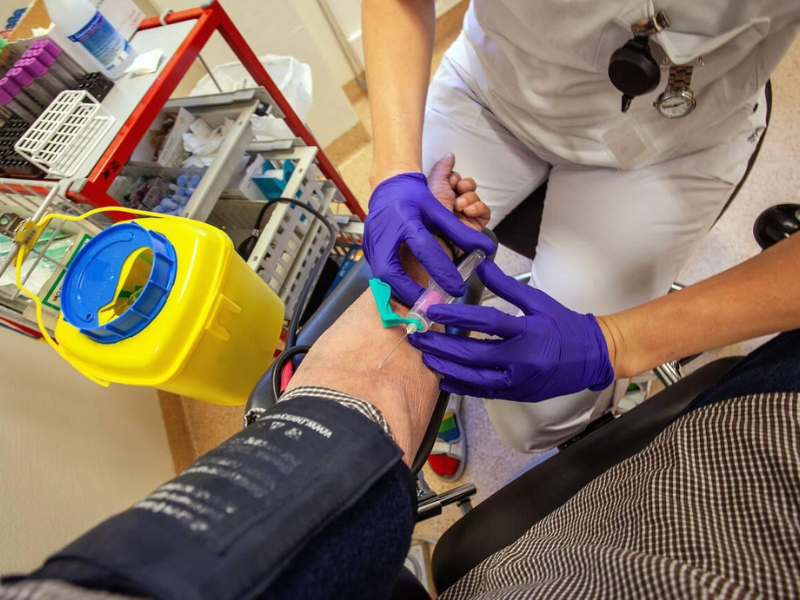
Cholesterol and lipid panels assess the levels of ‘good’ and ‘bad’ cholesterol and triglycerides in the blood. Elevated cholesterol levels are important risk factors for Atherosclerotic CardioVascular Disease (ASCVD), which is a build-up of plaques inside arteries, leading to heart attacks and strokes. In recent years, strong data points to Low-Density Lipoprotein(LDL) cholesterol as the most important predictor of cardiovascular disease. It is paramount to keep LDL-cholesterol strictly under control, in fact, there is no lowest limit as evidence shows that the-lower-the-better. Therefore regular testing helps identify individuals with elevated cholesterol so as to institute treatment for cardiovascular risk-reduction.
Who Should Be Screened
Screening recommendations for cholesterol vary based on age, gender, and family history. Generally, adults should start screening at age 20, and those with a family history of heart disease may need earlier tests. An entity known as Familial Hyperlipidemia (FH) mandates for screening to begin as young as 9 years of age when atherosclerotic plaques start to form. Understanding one’s risk factors is essential for determining the appropriate testing schedule.
How Often to Screen
The frequency of cholesterol screenings depends on initial test results and individual risk factors. Adults with normal cholesterol levels may only need testing every 3 years minimally as recommended under the Screen For Life programme. However, those with elevated levels or other risk factors may require more frequent monitoring at every 6 to 12 months to ensure the cholesterol levels are kept on target.
Blood Glucose Testing
What It Tests For
Blood glucose testing is vital for diagnosing pre-diabetes and diabetes. Elevated glucose levels can indicate insulin resistance and the potential onset of other chronic conditions. Diabetes is a major cardiovascular risk disease that affects almost all vital organs in the body, and it may lead to complications such as infections, limb gangrene, eye complications, in addition to risk of heart attack, stroke and kidney failure. Early detection through screening can lead to lifestyle changes and medications so as to stave off complications and prevent a worsening of the disease. In fact, pre-diabetes is important to be diagnosed early at-onset as pre-diabetes is reversible in its early stages.
Who Should Be Screened
Individuals aged 45 and older should undergo routine blood glucose testing, especially if they are overweight or have additional risk factors. Younger individuals with a family history of diabetes or other risk factors should also be screened. Identifying at-risk individuals is crucial for early screening and intervention.
How Often to Screen
The American Diabetes Association recommends that adults aged 45 and older be screened every three years. The Singapore Health Promotion Board recommends anyone above the age of 18 years old to take a Diabetes Risk Assessment (DRA) and should there be risk factors then a screening is recommended. Risk factors include a high Body Mass Index (BMI), diagnosis of High Blood pressure or Hyperlipidemia, Family history, sedentary lifestyle and high-sugar diet. Those with elevated glucose levels or risk factors may need more frequent testing. Regular monitoring helps track changes and implement necessary health strategies to prevent the onset of “full-blown” diabetes or if diagnosed to achieve optimal control of the disease.
Body Mass Index (BMI) and Waist Circumference

What It Tests For
BMI and waist circumference measurements are indicators of obesity, which is a significant risk factor for various chronic diseases. High levels of body fat can lead to conditions such as diabetes, heart disease, and certain cancers. These simple measurements provide valuable insights into an individual’s health status.
Who Should Be Screened
All adults should have their BMI and waist circumference measured, particularly those with sedentary lifestyles or obesity. Regular assessments can help identify individuals at risk for obesity-related health issues, such as diabetes, hypertension, hyperlipidaemia and gout.
How Often to Screen
It is advisable to monitor BMI and waist circumference at least annually. Individuals seeking to lose weight or improve fitness may benefit from more frequent assessments. Self-monitoring can empower individuals to take charge of their health and make informed decisions.
Cancer Screening Tests
Mammogram
What It Tests For
Mammograms are essential for detecting breast cancer in its early stages. Early detection significantly increases the chances of successful treatment and survival. Mammogram looks for abnormal patterns of microcalcification indicating breast cancer, even before lumps are felt and it is the gold standard for breast cancer screening,
Who Should Be Screened
Women should begin regular mammogram screenings at age 40, or earlier if they have a family history of breast cancer. Those with additional risk factors such as a family history of breast, ovarian or colorectal cancer may need to start screenings sooner. Modalities for breast cancer screening younger than 40 years old includes ultrasound, tomosynthesis and Magnetic Resonance Imaging (MRI). Understanding personal risk can guide women in making informed decisions about their health.
How Often to Screen
The American Cancer Society recommends that women have a mammogram every year starting at age 45. In Singapore, the Health Promotion Board recommends an annual mammogram for women aged 40 to 49 and once every 2 years for women aged 50 and above. Adhering to these guidelines will enable breast cancer to be detected earlier and treated earlier with more treatment options and better chance of cure.
Colonoscopy and Stool Tests
What It Tests For
Colonoscopy and stool tests are crucial for screening for colorectal cancer. These tests can identify precancerous polyps which are actually colon cancer in its earliest stage, allowing for removal and preventing further development into colorectal cancer. Regular screening can also detect early colon cancer before its spread, thus allowing earlier treatment and better chance at cure.
Who Should Be Screened
Adults should begin screening for colorectal cancer at age 50, or earlier if they have a family history of colorectal cancer or other risk factors such as smoking. Individuals with a history of inflammatory bowel disease should also be screened earlier as they are at higher risk of developing colon cancer. Identifying high-risk individuals is vital for effective cancer prevention.
How Often to Screen
Colonoscopy is the gold standard for colon cancer screening and is typically recommended once every ten years for individuals with a normal colonoscopy report. A non-invasive stool occult blood test may be performed annually or at intervals recommended by a healthcare provider. Regular screenings are key to reducing the incidence of colorectal cancer.
Pap Smear and HPV Test
What It Tests For
What It Tests For
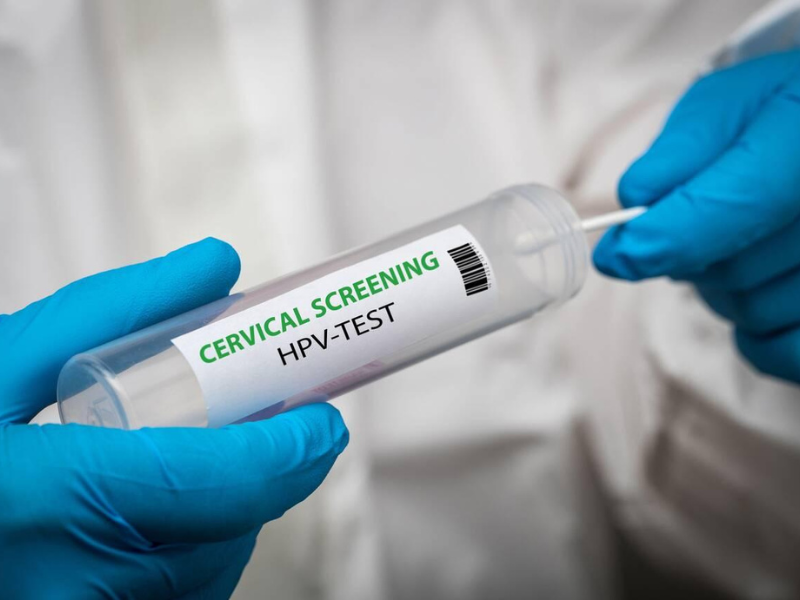
Pap smears and HPV tests are essential for identifying cervical cancer risk. These screenings can detect abnormal cells and the presence of human papillomavirus, which leads to development of cervical cancer. Early detection through these tests can lead to effective treatment options.
Who Should Be Screened
Sexually-active women should begin Pap smear screenings at age 21, continuing every three years until age 29. From ages 30 to 65, women can opt for a Pap smear combined with HPV testing every five years if found to be normal. A positive HPV test for high-risk cancer-causing HPV 16 and 18 will warrant a further procedure known as colposcopy, which is a close-up view of the cervix for abnormal cancerous cells.
How Often to Screen
The frequency of Pap smears depends on age and medical history. Women aged 21 to 29 should be screened every three years with a ThinPrep, while those aged 30 to 65 are advised to undergo a HPV test looking for cancer-causing HPV 16 and 18 strains, and if found to be negative, HPV testing is recommended at 5-year intervals.
Bone Density Test
What It Tests For
Bone density tests assess the risk of osteoporosis and fractures. These tests measure bone mineral density, helping identify individuals at risk for bone-related conditions. Early detection can lead to preventive measures that strengthen bone health.
Who Should Be Screened
Bone density testing is particularly important for postmenopausal women and older adults. Individuals with risk factors such as a family history of osteoporosis or long-term steroid use should also be screened. Understanding one’s risk factors is essential for proactive health management.
How Often to Screen
The frequency of bone density screenings varies based on age and health status. Generally, women over 65 and men over 70 should be screened regularly. Those with previous low bone density results may need more frequent assessments to monitor changes.
FAQs on Health Screening for Chronic Diseases
Why are regular health screenings important?
Regular health screenings are vital for early detection and prevention of chronic diseases. They help identify risk factors and health issues before they become severe. Proactive management through screenings can lead to better health outcomes and improved quality of life.
How do I know which screenings I need?
Consulting with a healthcare provider can help determine which screenings are appropriate based on age, gender, and health history. Personal risk factors and family history also play a crucial role in deciding necessary tests. Regular check-ups can ensure that you stay informed about your health needs.
Can health screening tests be done at home?
Some health screening tests, such as blood pressure and glucose monitoring, can be performed at home with the right equipment. However, many screenings, like mammograms and colonoscopies, require professional medical facilities. Discussing your options with a healthcare provider can help determine the best approach.
What should I do if a screening test result is abnormal?
If a screening test result is abnormal, it’s essential to follow up with your healthcare provider for further evaluation. They may recommend additional tests or interventions based on the results. Taking prompt action can help address potential health issues early on.
Are health screenings covered by insurance?
Many health insurance plans cover routine health screenings, but coverage can vary. It’s important to check with your insurance provider to understand what screenings are included. Being informed about your coverage can help you access necessary health services without financial strain.
Conclusion: A Lifelong Check on Health – Your Path to Chronic Disease Prevention
Routine health screenings are essential for the early detection and prevention of chronic diseases. By understanding the various types of screenings available and adhering to recommended schedules, individuals can take proactive steps toward better health. Prioritizing health screenings is a crucial part of maintaining overall wellness and preventing serious health complications